
2026 Martin Luther King, Jr. Day Family Experience
"What role am I meant to play in social change?" |
Have you ever asked yourself, "What role am I meant to play in social change?" The day's activities are organized by the four roles of social change, as described by authors Bill Moyer and George Lakey P’89, GP’27: Advocate, Helper, Organizer, and Rebel. During this event, you'll get to try something in each category and see what role resonates with you. |
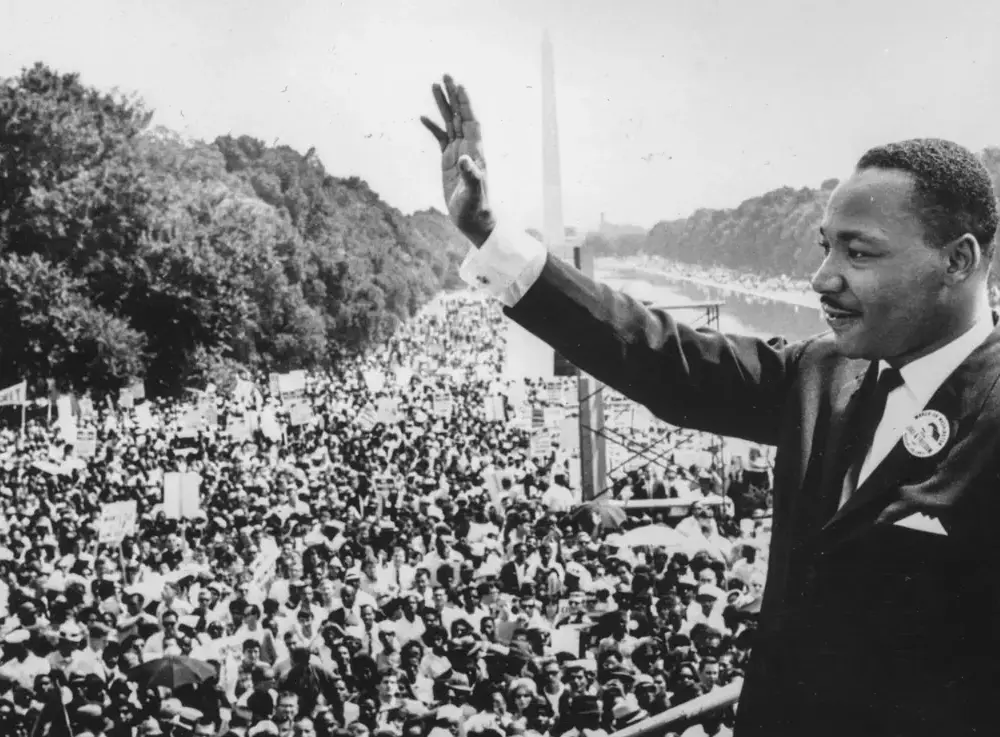
Remember, educating ourselves about injustice is not enough. What we do with our knowledge is what matters. The four roles of social change can help you turn knowledge into action.
Martin Luther King, Jr. Day
Family Experience Program
Monday, January 19, 9a.m.-12p.m.
Race Street Meetinghouse
9-9:15 a.m.
Gathering
9:15-10 a.m.
Welcome: Brian Thomas P’37
Keynote Speaker: Dr. Jack Ludmir
Former Chief Physician Executive, Temple Women & Families Hospital. Co-founder of Puentes de Salud, Jefferson Latina Clinic, and Philadelphia Collaborative Health Equity. Professor Emeritus Ob/Gyn Perelman School of Medicine
Four Roles of Social Change: Teacher Joseph McKinnon
Pre-Kindergarten Assistant Teacher, Lower School DEI Coordinator
10-11:30 a.m.
Activities for Older Students and Adults, and Programming for Young Minds and Bodies
- Staff from Philadelphia City Councilmember Rue Landau’s office will present ICE Out community training.
- Peter Pedemonti, Co-Director, and Jody Norman, Community Organizer from New Sanctuary Movement will present a role-playing exercise on altering the power imbalance in organizing, and will discuss NSM's work
- Rebecca Huber, P’38 will lead a workshop on advocacy via letter writing to elected officials.
- FSS Teacher Joe McKinnon will lead a concurrent program for young minds and bodies (aimed at Lower School students and younger).
11:30 a.m.-12 p.m.
Closing in the Meetinghouse
Meeting for Worship
“This Little Light of Mine,”Ingrid Lakey ’89 P’27
Special thanks to the Friends Select Family Association Social Justice Committee, who volunteered their time, talents, and connections to host this event, James Olstein P’37 for design work, the Race Street Meetinghouse for opening their doors to us, and our activity leaders.
Four roles of social change, as described by Bill Moyer and George Lakey P’89 GP’27: Advocate, Helper, Organizer, Rebel.
An Advocate uses mainstream institutions like courts, City Hall, and legislature to get new goals and values adopted. Uses lobbying, lawsuits, elite networking/coalition building for clearly stated demands often backed by research. Monitors successes to make sure they are implemented.
A Rebel protests and says "No!" to violations of positive American values. They employ nonviolent direct action and attitude, including civil disobedience.
An Organizer believes in people power, builds grassroots networks, nurtures growth of natural leaders, chooses strategies for long-term movement development, and uses training to build skills.
A Helper understands that charity cannot fix social problems, and assists people in ways that affirm their dignity and respect. A helper shares skills and brings those impacted into the decision-making process, and educates about the larger social system.